Volvo vs. Standard AC Bus: Which Bus Booking is Best for Your Trip?
Confused between Volvo bus bookings and standard AC buses in Chandigarh? This expert 2025 comparison breaks down comfort, pricing, routes, and when each option truly makes sense.
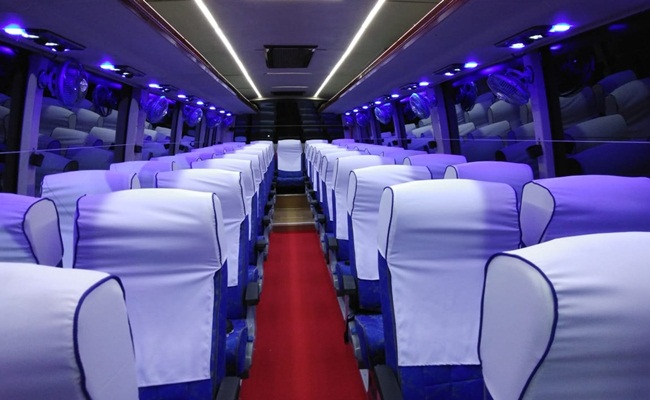
My cousin Simran chose an AC bus over a Volvo to save money on her Manali trip. Eight hours later, she texted: “My back hates me. Why didn’t you stop me?”
The Volvo versus AC bus debate isn’t about universal superiority—it’s about matching the bus type to the journey’s real requirements. Here’s what decades of group travel experience have taught us about choosing correctly.
The Real Comfort Difference
I traveled the same Chandigarh to Dharamshala route twice—once in a standard AC bus and once in a Volvo. The Volvo delivered four hours of genuine sleep. The seats reclined deeply, suspension absorbed mountain road impacts, and I arrived refreshed and ready to explore.
The AC bus experience? Comfortable for the first three hours. By hour five, lower back discomfort started. By hour seven, every major bump was felt. On arrival, it took nearly an hour just to feel normal again.
Plot twist: that same AC bus was perfect for a Chandigarh to Pinjore day trip. Three hours on smooth roads, zero fatigue, and an enjoyable journey. The lesson is simple—match the bus to the journey length.
When Premium Pricing Makes Sense
Volvo bus bookings cost more because the engineering actually matters on long journeys. Multi-axle suspension absorbs shocks instead of transferring them to your spine. Push-back seats enable real sleep, not just sitting with closed eyes. Wider seat spacing means less knee strain during long hauls.
Standard AC buses excel in their ideal range—journeys under four hours on good roads. For corporate events, short transfers, or day trips, AC buses are financially smart, allowing savings to be spent on better hotels or experiences.
On longer routes, the economics flip. For 8+ hour trips to Manali, the Volvo premium transforms from extra expense into an investment in arriving functional. No one wants to lose half a vacation day recovering from the journey.
Routes Where Your Choice Matters Most
Mountain routes demand superior suspension. Continuous curves and elevation changes punish the body without proper ride quality. Overnight journeys also strongly favor Volvo buses—sleeping in minimally reclining seats simply doesn’t work.
Groups with senior citizens, children, or passengers with back issues quickly realize that comfort isn’t luxury—it’s necessity.
That said, city-to-city highway routes under four hours, corporate team outings, or local sightseeing with multiple stops are ideal use cases for standard AC buses.
Critical Factors Beyond Bus Type
A well-maintained three-year-old AC bus easily outperforms a poorly maintained six-year-old Volvo. Always ask about the actual age and condition of the vehicle, not just the category. Request recent photos of the exact bus assigned.
Driver expertise matters just as much. An experienced mountain driver in an AC bus will deliver a smoother journey than reckless driving in a Volvo.
Decision Framework
- Choose a Standard AC Bus When:
- Journey is under 4 hours on highways
- Budget-conscious college groups or day trips
- Short corporate commutes
- Local sightseeing with multiple stops
Choose a Volvo Bus When
- Journey exceeds 5 hours
- Mountain routes like Chandigarh to Shimla or Manali
- Overnight travel requiring real sleep
- Groups include elderly passengers or those with health concerns
Chandigarh Tourist Company - Helping You Choose Right Since 1970.